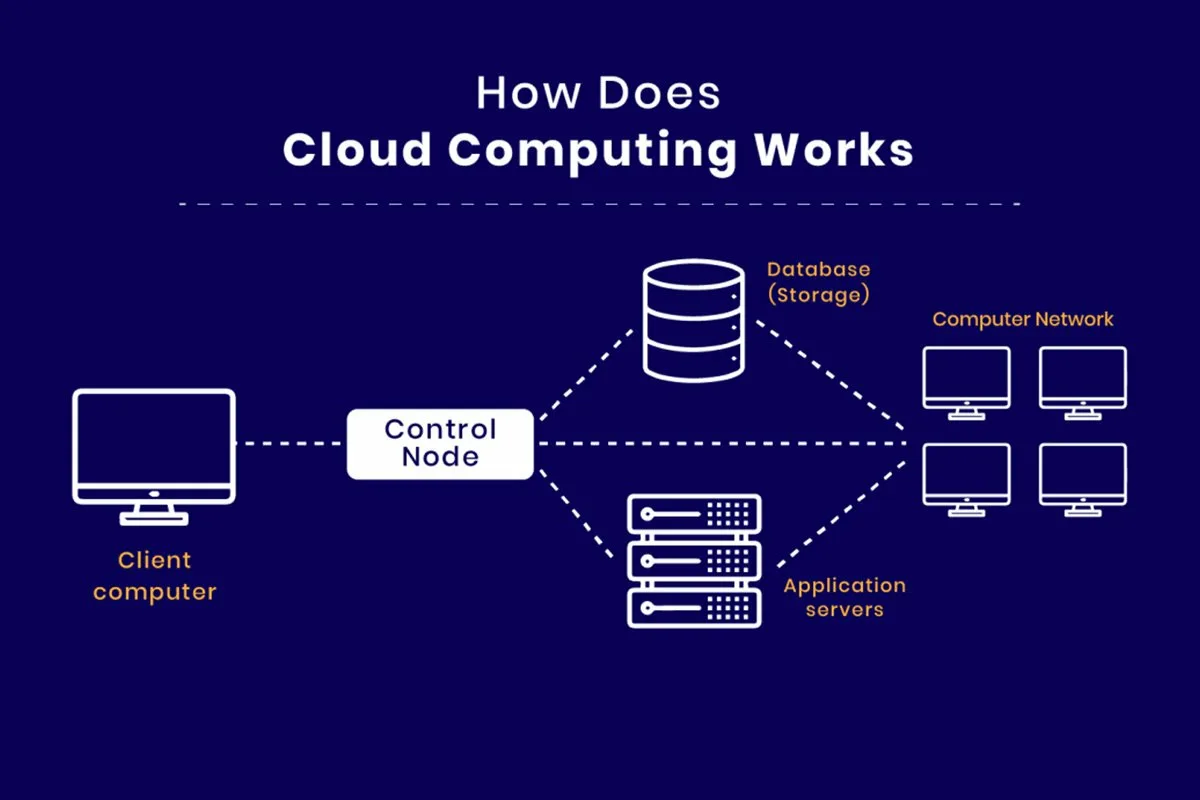
Cloud computing has become one of the most important foundations of modern digital applications.
Instead of relying on local servers and physical infrastructure, companies can now deploy, scale, and manage applications through cloud platforms.
This shift allows businesses to launch products faster, reduce operational costs, and respond quickly to changing user demands.
One of the key advantages of cloud computing is scalability. Applications can automatically adjust resources based on traffic, ensuring stable performance during peak usage.
This is especially important for e‑commerce platforms, streaming services, and enterprise systems that experience fluctuating demand.
Developers can focus on building features instead of worrying about server maintenance.
Cloud environments also improve collaboration. Teams working from different locations can access the same infrastructure, tools, and data in real time.
This supports remote work, speeds up development cycles, and reduces deployment errors. Continuous integration and delivery pipelines are easier to implement in cloud-based systems.
Security remains a critical concern, but modern cloud providers invest heavily in encryption, monitoring, and compliance.
When combined with proper configuration and access management, cloud solutions can be as secure—or even more secure—than traditional infrastructure.
Overall, cloud computing enables innovation, flexibility, and long-term growth for modern applications.